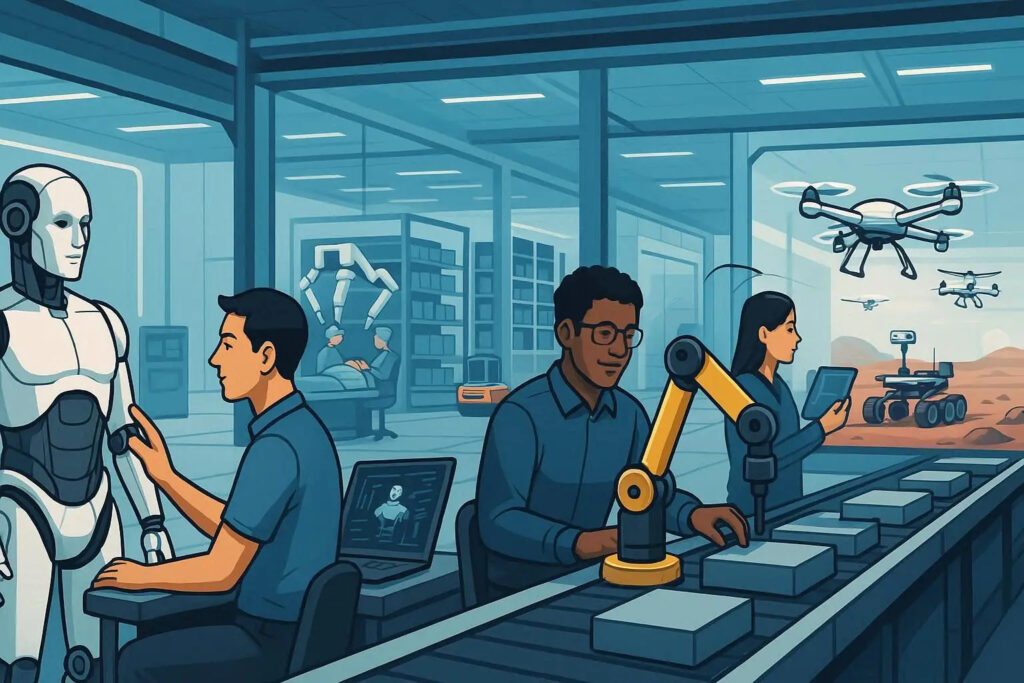
As we step into 2025, the field of robotics engineering is no longer limited to science fiction—it’s shaping the future of industries across the globe. From manufacturing and healthcare to logistics and defense, robotics has become a core driver of automation and efficiency. With rapid advancements in AI, machine learning, and embedded systems, Robotics Engineer jobs are among the fastest-growing and highest-paying careers in the technology sector.
Companies are investing heavily in smart robots, autonomous systems, and industrial automation to enhance productivity and safety. This booming trend makes 2025 an exciting time for aspiring engineers to explore the best career opportunities in robotics engineering.
Importance of Robotics Engineering in 2025
In today’s digital transformation era, robotics serves as the bridge between mechanical innovation and artificial intelligence. The integration of robots in various industries has revolutionized how tasks are performed—making operations more efficient, precise, and safe.
The global robotics market is expected to surpass $200 billion by 2025, driven by high adoption rates across industries such as automotive, electronics, and healthcare. From robotic arms in assembly lines to medical robots performing surgeries, the applications are vast and rapidly expanding.
As industries embrace Industry 4.0 and smart manufacturing, the role of robotics engineers has become indispensable. Their expertise in automation systems, motion control, and AI programming ensures organizations remain competitive in a technology-first world.
Key Responsibilities of a Robotics Engineer
A Robotics Engineer designs, builds, and maintains robotic systems that perform human-like or repetitive tasks with precision. Their duties span multiple disciplines—mechanical design, electrical systems, and computer science.
Some major responsibilities include:
- Designing robotic hardware and developing control systems.
- Programming robots using languages like Python, C++, or ROS (Robot Operating System).
- Testing, calibrating, and optimizing robotic movements.
- Integrating AI and machine learning algorithms for smart automation.
- Troubleshooting and maintaining robotic systems for smooth operation.
Professionals in this field often collaborate with mechanical, software, and data engineers to create intelligent machines that can think, sense, and act autonomously.
Skills Required for a Successful Robotics Career
To thrive as a robotics engineer in 2025, professionals need a diverse mix of technical and analytical skills.
Key technical proficiencies include:
- Programming languages: Python, C++, MATLAB
- Mechanical design: CAD, SolidWorks, or CATIA
- Electronics: Microcontrollers, embedded systems, sensors, and actuators
- AI and machine learning: Neural networks and computer vision
- Control systems and automation tools: PLCs, SCADA, ROS
Soft skills such as problem-solving, creativity, teamwork, and communication are equally essential, as engineers frequently work in cross-functional environments.
Career Opportunities and Job Roles
The career scope for robotics engineers in 2025 is expanding faster than ever. As automation becomes a global priority, new roles are emerging across multiple industries:
1. Industrial Robotics Engineer
- Responsible for developing and maintaining automated assembly lines used in automotive and manufacturing plants.
2. Research & Development Engineer
- Focuses on creating next-generation robots with advanced cognitive and sensory capabilities.
3. AI & Automation Engineer
- Integrates artificial intelligence algorithms into robotic systems for autonomous decision-making and predictive maintenance.
4. Robotics Software Developer
- Designs and programs the brain of robots—handling navigation, perception, and motion control.
5. Robotics Systems Integrator
- Ensures seamless integration of robotic solutions within existing workflows of enterprises and factories.
- These diverse job roles ensure that robotics professionals can work in both technical and managerial capacities, depending on their expertise and interests.
Salary Scope for Robotics Engineers
The salary trends for Robotics Engineer jobs in 2025 reflect strong global demand. With a growing talent shortage, skilled engineers can command high compensation across regions.
- Entry-level engineers: ₹6–9 LPA (India) / $80,000+ (US)
- Mid-level professionals: ₹15–25 LPA / $120,000–$140,000
- Senior specialists / R&D experts: ₹30–40 LPA / $160,000+
Factors influencing salary include technical expertise, certifications, industry specialization, and location. Engineers with AI or machine learning integration skills are particularly in high demand.
Top Industries Hiring Robotics Engineers
1. Automotive Manufacturing: For automation of assembly lines and quality testing.
2. Healthcare: In surgical robots, prosthetics, and rehabilitation systems.
3. Logistics and Warehousing: Through autonomous mobile robots (AMRs) and drones.
4. Defense and Aerospace: For surveillance, bomb disposal, and unmanned vehicles.
5. Consumer Electronics: Developing smart home robots and companion devices.
Startups and tech giants like Tesla, Boston Dynamics, NVIDIA, and ABB Robotics are continuously hiring robotics professionals to innovate and enhance automation technologies.
Certifications to Boost Your Robotics Career
Getting certified enhances credibility and employability in this competitive field. Some top certifications include:
- Certified Robotics Engineer (CRE)
- MITx Robotics Certification (edX)
- Udacity Nanodegree in Robotics Software Engineering
- AI for Robotics by Coursera (offered by University of Georgia Tech)
- Automation & Control Systems Certification by Siemens
These certifications validate your technical expertise and open doors to advanced roles and international job placements.
Future of Robotics Engineering Careers
The future of Robotics Engineer career growth in 2025 and beyond is exceptionally bright. As technologies like AI, IoT, and 5G converge, robots will become more autonomous, intelligent, and connected.
Emerging trends such as cobots (collaborative robots), humanoid robots, and robotic process automation (RPA) are creating new dimensions for innovation. Governments and enterprises worldwide are also investing in robotics research, making it one of the safest and most rewarding long-term career choices in tech.
With robotics reshaping global industries, skilled engineers will find countless opportunities in design, development, and leadership roles across the world.
Conclusion
The year 2025 marks a turning point in the evolution of robotics careers. The fusion of AI, automation, and mechanical innovation has made Robotics Engineer jobs a vital part of the modern economy. Whether you are a graduate exploring entry-level roles or a professional transitioning into automation, this field promises continuous learning, excellent pay, and international exposure.
By mastering programming, control systems, and AI integration—and earning key certifications—you can position yourself for rapid career advancement in the exciting world of robotics engineering. In short, the future is automated, and Robotics Engineers will be the ones building it.
